

 EN
 English
 中文简体
The Critical Role of Low Speed Gearboxes
Low speed gearboxes serve as the backbone of industrial power transmission systems, offering unmatched torque multiplication capabilities while protecting connected equipment from excessive wear. Their ability to precisely control rotational speed makes them particularly valuable in applications requiring careful handling of heavy loads or delicate processes. Beyond basic speed reduction, modern low speed gearboxes incorporate advanced engineering features that enhance overall system reliability, reduce maintenance requirements, and optimize energy consumption throughout their operational lifespan.

Key Applications Across Industries
The versatility of low speed gearboxes is demonstrated through their widespread use across multiple industrial sectors. In renewable energy, they form the heart of wind turbine systems, managing blade pitch and yaw mechanisms. Mining operations rely on them to power massive crushers and grinding mills that process raw materials. Marine applications utilize these gearboxes in propulsion systems and deck machinery, while cement plants employ them in rotary kilns and large mixers. The food processing industry benefits from their smooth operation in conveyor systems and mixing equipment, highlighting their adaptability to diverse operational requirements.
Technological Advancements in Gearbox Design
Recent years have seen significant innovations in low speed gearbox technology that enhance performance and reliability. Modern units now incorporate smart monitoring systems with integrated sensors that track vibration patterns, temperature fluctuations, and lubrication conditions in real time. Advanced materials science has introduced high-strength alloys and composite components that reduce weight while maintaining durability. Lubrication systems have evolved to include automatic oil circulation and synthetic compounds that perform in extreme conditions. Perhaps most importantly, manufacturers now offer extensive customization options, allowing engineers to specify exact gear ratios, mounting configurations, and protective features tailored to specific applications.
Selecting the Right Gearbox Solution
Choosing the appropriate low speed gearbox requires careful consideration of multiple operational factors. Engineers must evaluate torque requirements under both normal and peak load conditions, accounting for potential shock loads that may occur during operation. Environmental conditions play a crucial role in selection, with factors like ambient temperature, exposure to contaminants, and available space influencing the final specification. Efficiency ratings directly impact long-term operating costs, making them a critical evaluation point. Increasingly, buyers are considering total cost of ownership rather than just initial purchase price, factoring in maintenance requirements, expected service life, and energy consumption over time.
Future Outlook and Industry Trends
The low speed gearbox market continues to evolve in response to broader industrial trends. The global push toward renewable energy is creating new demand for specialized gearboxes in wind and solar applications. Industry 4.0 initiatives are driving the integration of IoT capabilities for predictive maintenance and performance optimization. There's growing emphasis on developing more compact designs that deliver equal or greater power density while occupying less space. Sustainability concerns are prompting manufacturers to explore eco-friendly materials and lubrication solutions. As these trends converge, low speed gearboxes are poised to become even more efficient, intelligent, and adaptable to the changing needs of modern industry.


 View More >>
 View More >>
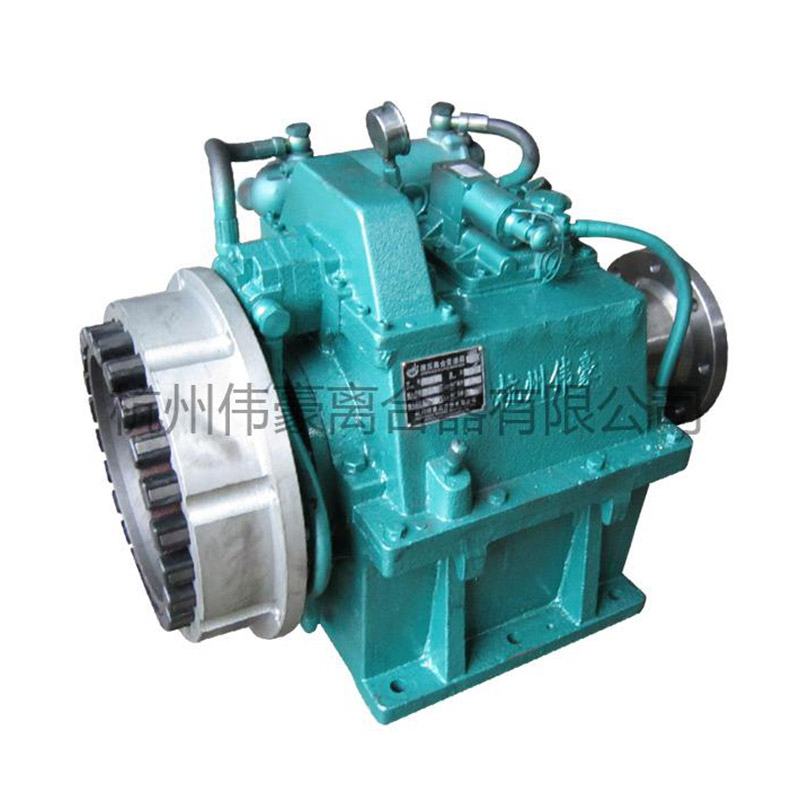 View More >>
 View More >>
 View More >>
 View More >>
 View More >>
 View More >>
 View More >>
 View More >>
 View More >>
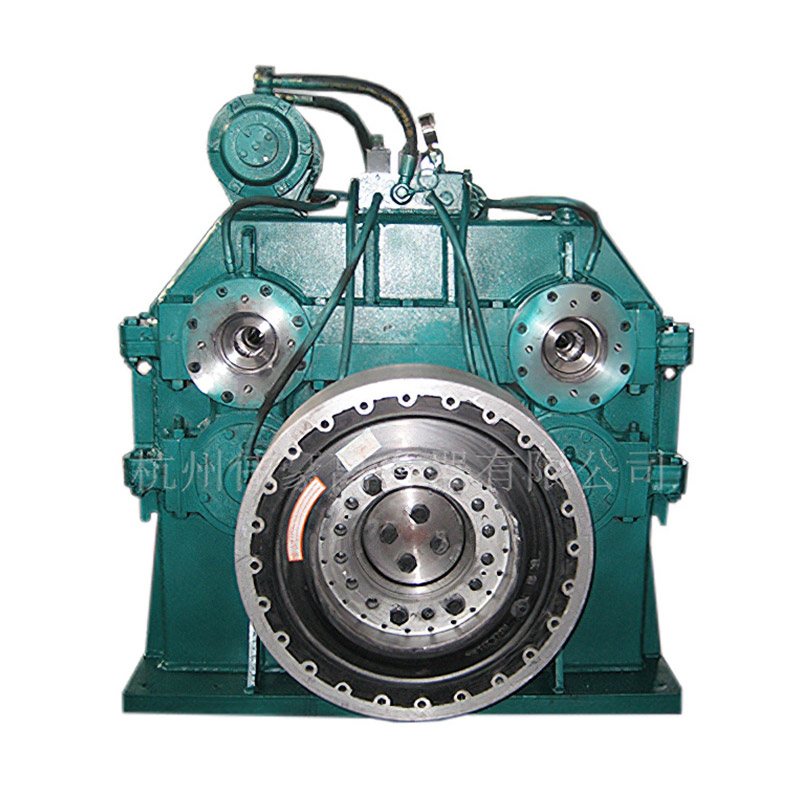 View More >>


