
 EN
 English
 中文简体
The high-speed gearbox adopts forced circulation lubrication mode, and uses a high-precision oil pump as the power center to continuously deliver lubricating oil to key parts such as gear meshing surfaces and bearings at a constant pressure. When the gears mesh at a speed of thousands of revolutions per minute, the lubricating oil quickly penetrates into the contact points under high pressure to form a stable oil film at the micron level. This oil film converts the direct friction on the metal surface into internal friction between lubricating oil molecules, greatly reducing the friction coefficient and effectively reducing the wear of the tooth surface and bearings. The temperature and pressure sensors built into the system are like sensitive "nerve endings" to monitor the operating status of the gearbox in real time. Once the load increase causes temperature rise or pressure fluctuations, the sensor immediately feeds back the signal to the control system, intelligently adjusts the flow and pressure of the lubricating oil, ensures that key components are always immersed in an adapted lubrication environment, and maintains the friction reduction effect.
Cooling matrix for temperature control and efficiency protection
The high-speed gearbox is like a precision device that continuously heats up, and the multi-dimensional heat dissipation system builds a solid line of defense for temperature control and efficiency protection. As the main heat dissipation system, the oil cooling system realizes the heat exchange between lubricating oil and coolant through the heat exchanger. After absorbing the heat inside the gearbox, the circulating lubricating oil transfers the heat to the coolant when flowing through the heat exchanger. The cooled lubricating oil is put into circulation again to form an efficient heat conduction closed loop. The air cooling system uses the forced airflow generated by the fan to accelerate the heat dissipation on the surface of the box, which is particularly suitable for scenes with high requirements for space layout. With the advantage of the high specific heat capacity of water, the water cooling system is closely integrated with the box through the pipeline network, which can quickly take away a large amount of heat and show heat dissipation performance under high temperature and heavy load conditions. The three heat dissipation methods have their own strengths and can be flexibly combined according to the application scenario and heat load requirements of the gearbox to ensure that the internal temperature of the box is always controlled in a reasonable range, avoid problems such as the decrease in lubricating oil viscosity and thermal expansion and deformation of parts caused by overheating, and escort the stable operation of the gearbox.
The art of dynamic balance regulation
Intelligent lubrication and multi-dimensional heat dissipation do not operate independently, but form a sophisticated synergy mechanism in the high-speed gearbox. When the gearbox load suddenly increases and the speed increases instantly, the intelligent lubrication system responds first, increasing the lubricating oil supply and strengthening the oil film strength to cope with the increased friction; the sensor of the cooling system captures the temperature rise signal and immediately starts the higher power cooling mode to accelerate the heat dissipation. The two achieve a dynamic balance between lubrication and heat dissipation through the overall coordination of the control system. This synergy is not only reflected in the response speed, but also in the precise matching of parameters. The increase in lubricating oil flow will bring additional oil stirring heat, and the timely intervention of the cooling system just offsets this part of the heat increase; when the cooling system adjusts the cooling intensity, it will also synchronously feedback to the lubrication system to avoid abnormal lubricating oil viscosity due to a sudden drop in temperature. Through this closed-loop regulation, the gearbox can maintain a stable working state during long-term high-speed operation, ensuring that the transmission efficiency is not attenuated and the life of key components is not shortened.
Reliable guarantee for industrial operation
The efficient synergy of the lubrication and cooling systems gives high-speed gearboxes strong adaptability in the industrial field. In wind turbine generators, even in the face of day-night temperature differences and wind speed fluctuations, intelligent lubrication and precise heat dissipation ensure that the gearbox can stably transmit torque at high speeds and guarantee power generation efficiency; in aircraft engine auxiliary transmission systems, compact heat dissipation layout and intelligent lubrication design meet the operation requirements in harsh high-altitude environments and improve flight safety. From energy production to high-end equipment manufacturing, high-speed gearboxes rely on precise control of lubrication and heat dissipation to effectively reduce equipment failure rates, reduce downtime for maintenance, and reduce operating costs.
Intelligent Lubrication and Multi-dimensional Heat Dissipation: Guarantee of Efficient Operation of High-speed Gearbox


Recommended Products
-
 View More >>
YL250A hydraulic clutch gearbox
Industry: Hydraulic clutch gearbox
-
 View More >>
YL320A flat speed hydraulic clutch gearbox
Industry: Hydraulic clutch gearbox
-
 View More >>
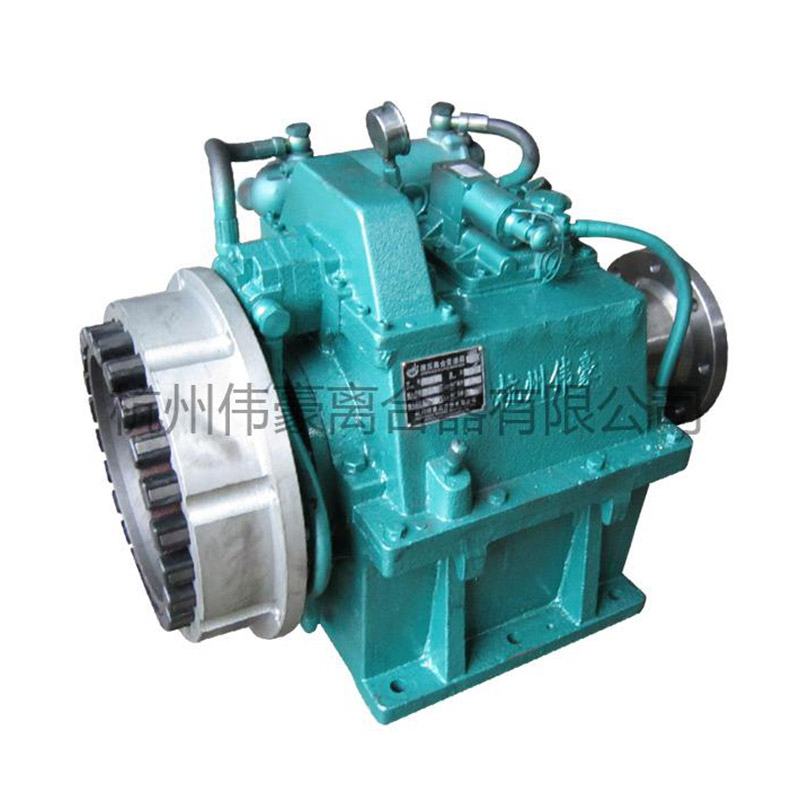
Hydraulic clutch gearbox for YL600A diesel engine
Industry: Hydraulic clutch gearbox
-
 View More >>
YL800A medium and high-power hydraulic clutch gearbox
Industry: Hydraulic clutch gearbox
-
 View More >>
Gearbox for YL400 trawler
Industry: Fishing vessel gearbox
-
 View More >>
YL500 dual output fishing boat gearbox
Industry: Fishing vessel gearbox
-
 View More >>
YL120 single clutch fishing boat gearbox
Industry: Fishing vessel gearbox
-
 View More >>
3PL500 Marine Diesel Engine Transmission
Industry: Fishing vessel gearbox
-
 View More >>
Gear box for YL420 four out trawl fishing boat
Industry: Fishing vessel gearbox
-
 View More >>
YL520 Single clutch four out fishing boat gearbox
Industry: Fishing vessel gearbox
-
 View More >>
4WHL500 multi output dual clutch marine gearbox
Industry: Fishing vessel gearbox
-
 View More >>
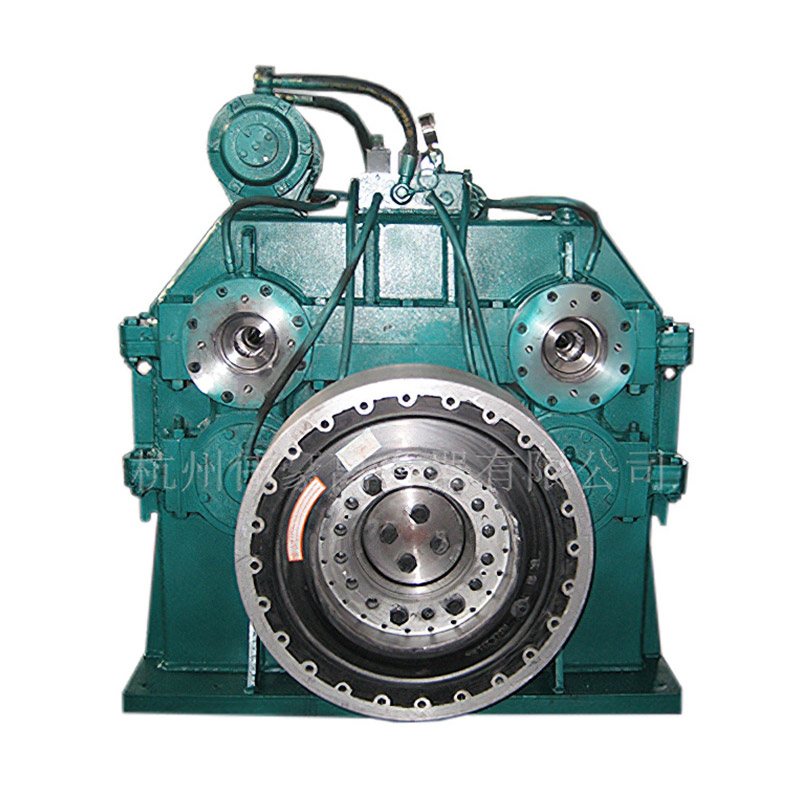
6WHL800 medium and high-power fishing boat gearbox
Industry: Fishing vessel gearbox

-

No. 419, Linbin Road, Linjiang Industrial Park, Hangzhou, Zhejiang
-

0086-571-82392129
0086-13606712206
0086-18072952280 -

-

0086-571-82867659
PROVIDED PRODUCTS
QR CODE

