

 EN
 English
 中文简体
Introduction
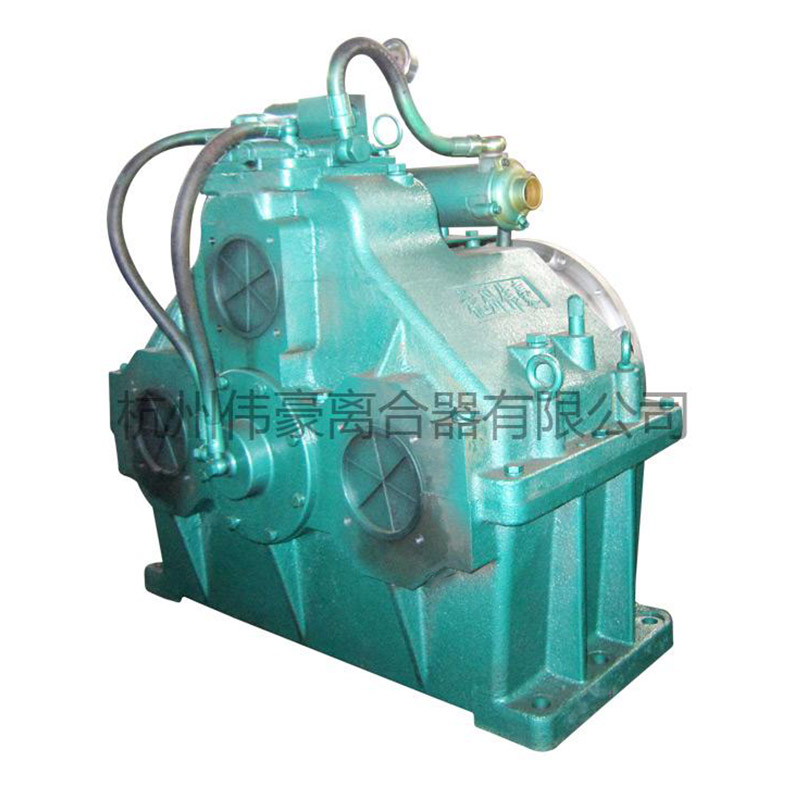
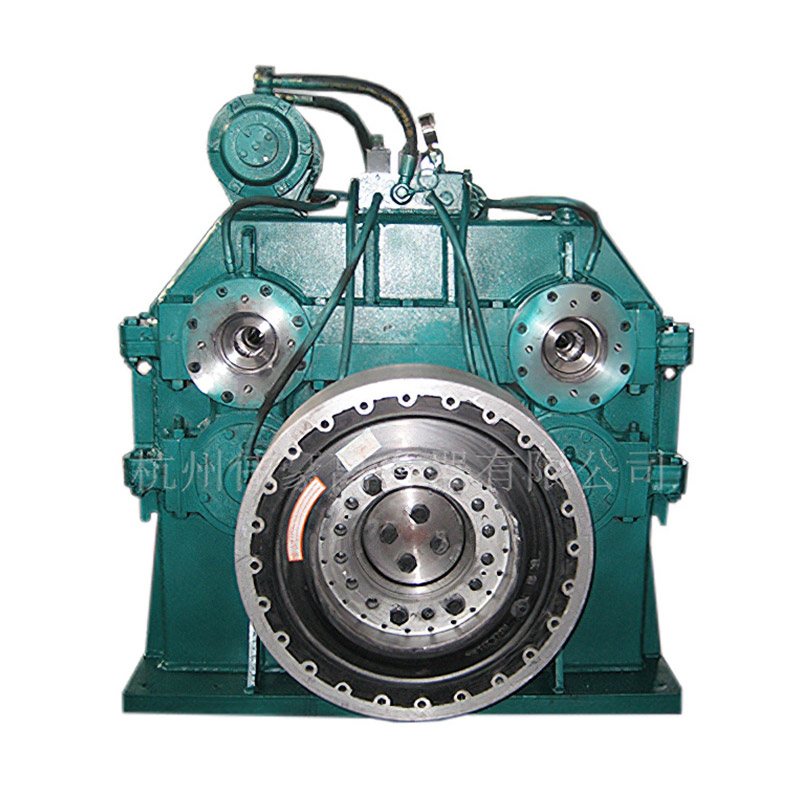
The design of an engineering ship gearbox plays a pivotal role in a vessel’s performance, directly influencing its speed and maneuverability. Ship gearboxes are integral to converting engine power into usable mechanical motion for various systems on board, including propulsion and auxiliary equipment. In engineering ship design, the gearbox is crucial for managing torque, controlling speed, and enabling precise maneuvering, especially in challenging maritime environments.
The Role of Ship Gearboxes in Vessel Operation
Ship gearboxes are responsible for transmitting power from the engine to the propulsion system, as well as powering other equipment such as mud pumps, generators, and oil pumps. The gearbox’s design, including its gear ratios and configuration, can significantly affect a ship’s ability to achieve and maintain speed, as well as its ability to maneuver efficiently under various conditions.
Transmission of Torque
The primary function of an engineering ship gearbox is to transmit torque from the engine to the ship’s propulsion system. Depending on the type of vessel and its operational requirements, gearboxes are designed to handle varying levels of torque, ranging from relatively light-duty systems for standard vessels to heavy-duty gearboxes used in specialized applications such as dredgers and offshore drilling rigs.
Gearbox Variants and Their Functions
Different types of ship gearboxes are designed for specific tasks, each contributing to a vessel’s speed and maneuverability:
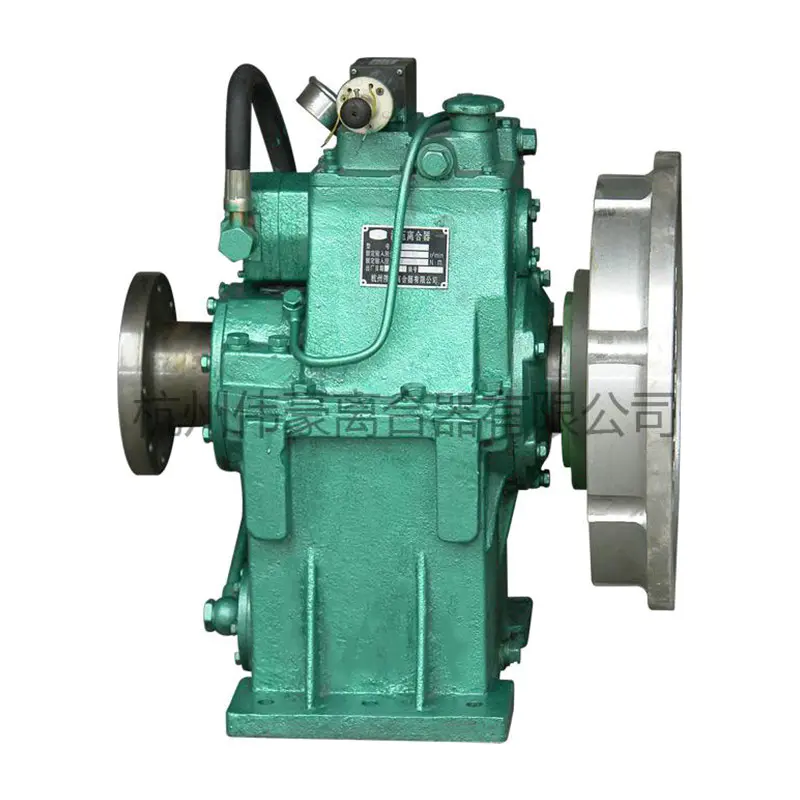
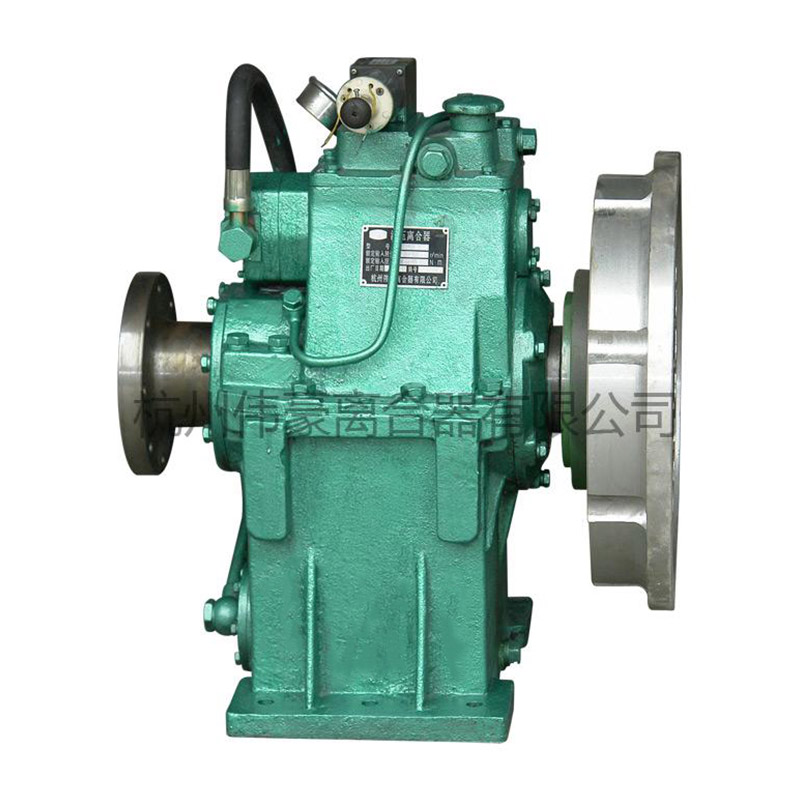
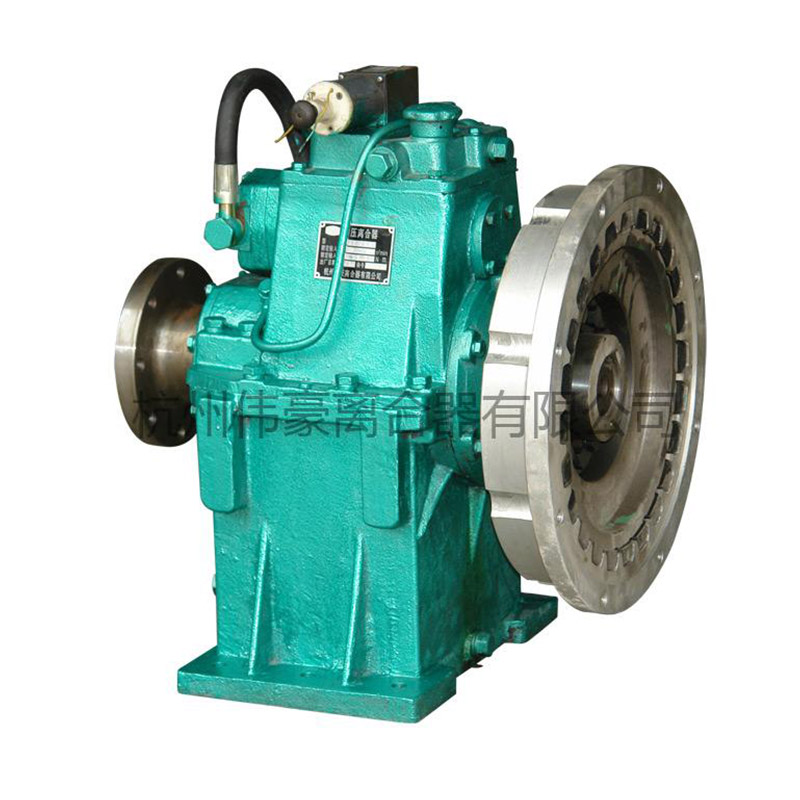
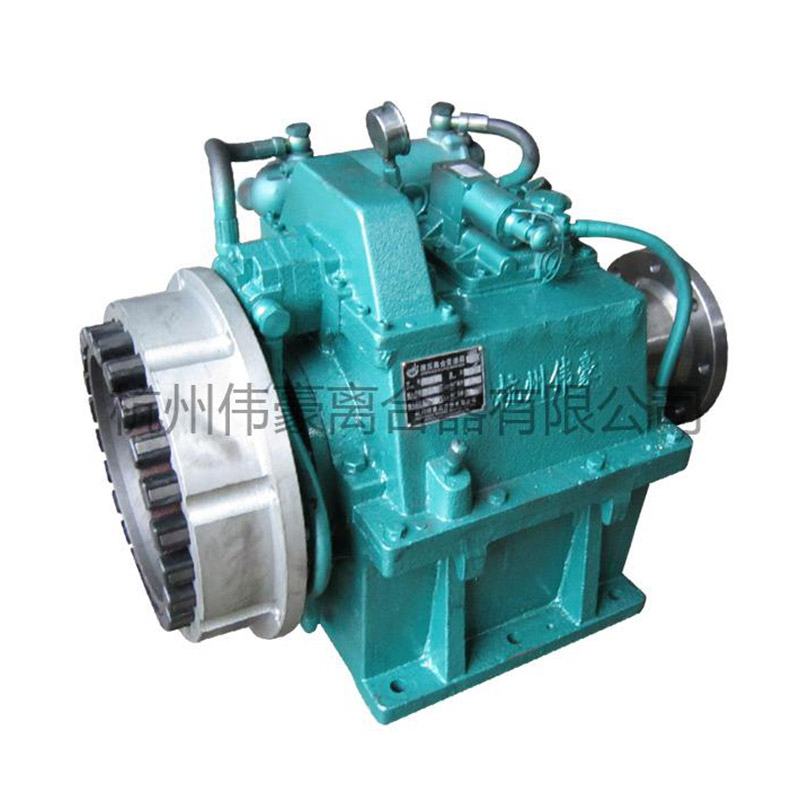
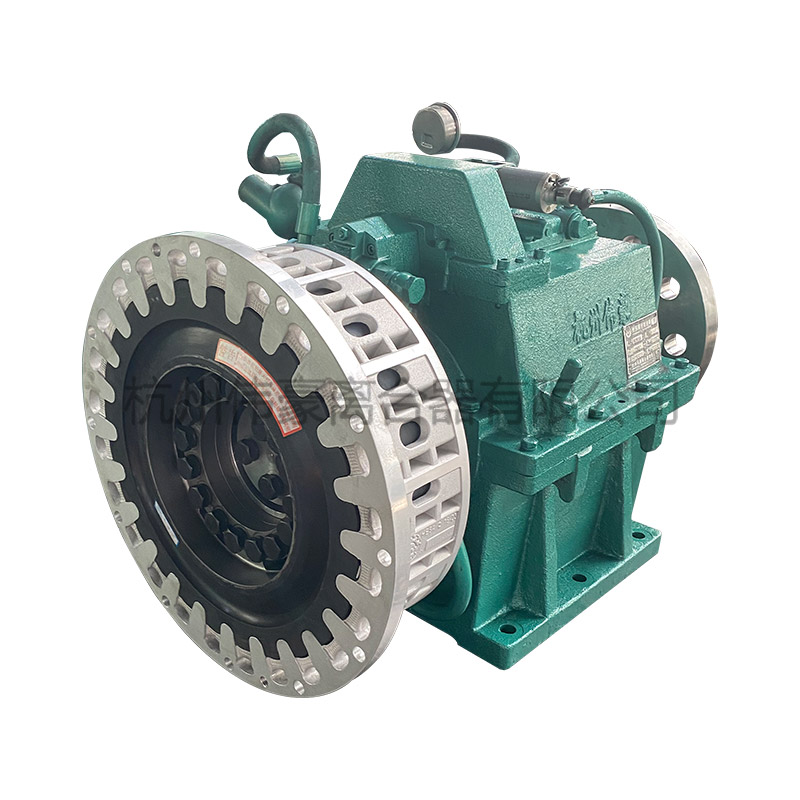
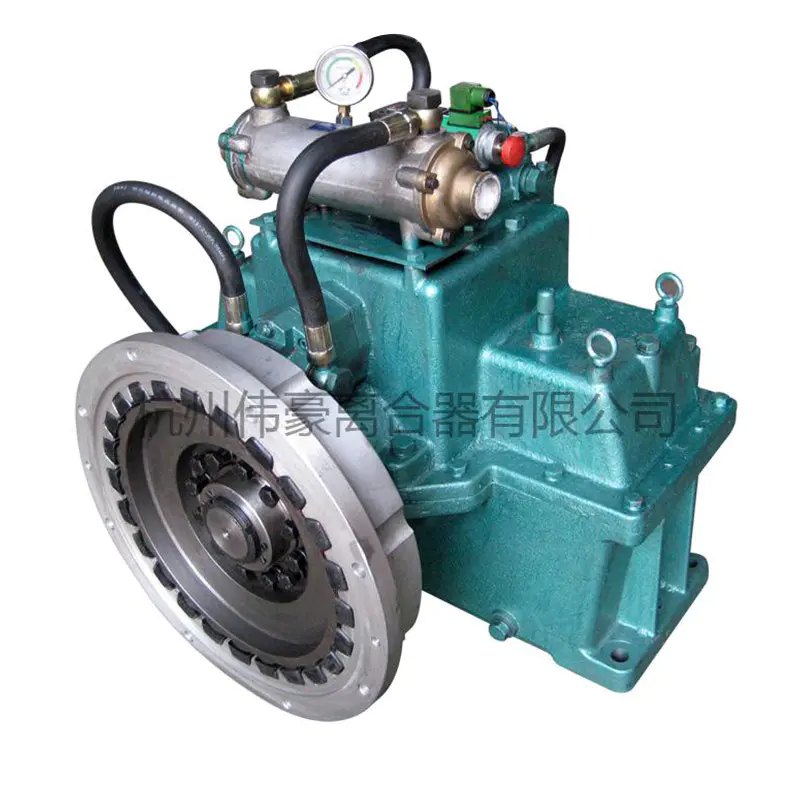
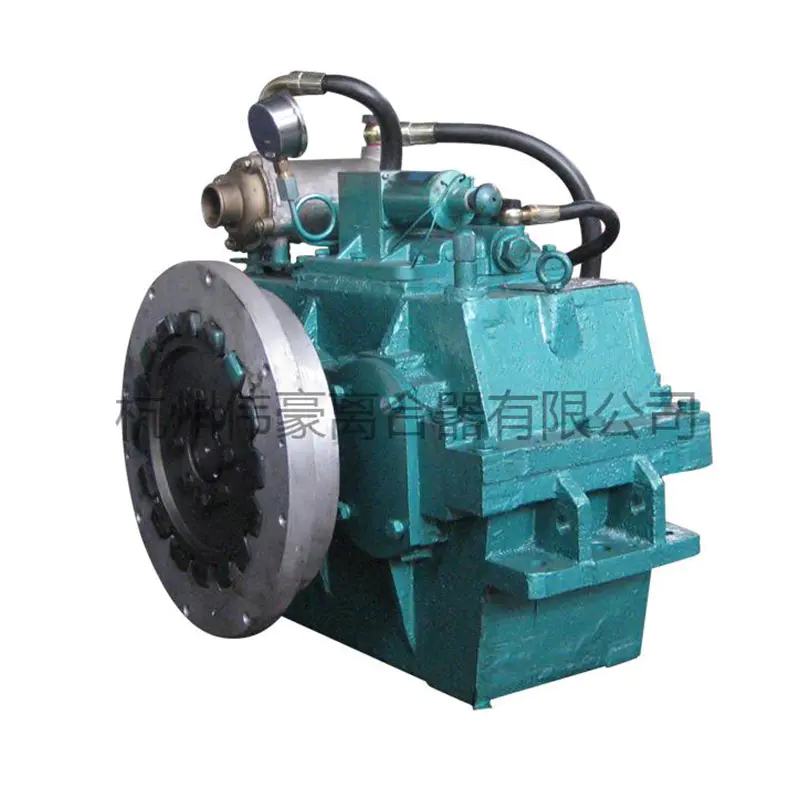
- Clutch Gearboxes: Used to engage and disengage power transmission between the engine and other systems. These are critical for managing load distribution and maintaining smooth vessel operations.
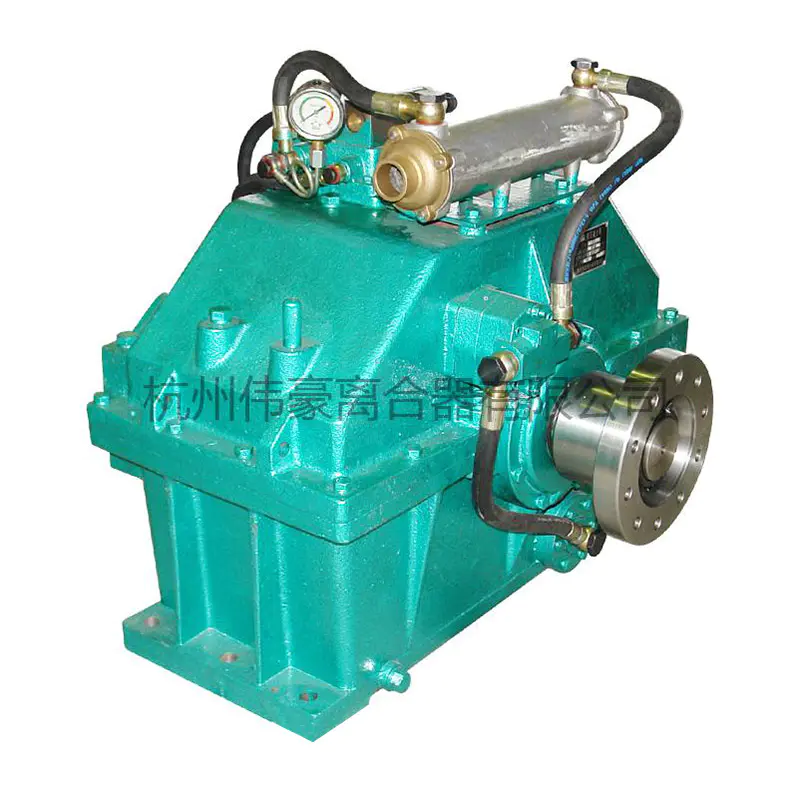
- Reduction Gearboxes: Primarily used to reduce engine speed to a level suitable for the propulsion system, they increase torque and allow the ship to move at the speed for cruising.
- Speed-Increasing Gearboxes: These gearboxes are used when higher speeds are needed for specific functions, such as when navigating at higher speeds or operating with advanced propulsion systems like electric or hybrid drives.
Impact on Ship Speed
The design of the engineering ship gearbox directly influences the speed a ship can achieve, as well as its fuel efficiency during cruising.
Speed Control and Efficiency
Gearboxes allow for precise control over the vessel’s speed, ensuring that the engine operates within performance parameters. A well-designed gearbox optimizes power output, reducing fuel consumption and improving operational efficiency. The interaction between the engine’s power output and the gearbox’s gear ratios is crucial for maintaining speed with minimal energy loss.
Effect of Gear Ratios on Speed
The gear ratio determines how the engine’s power is transmitted to the ship’s propeller. High gear ratios are typically used for slower, more powerful operations, while low gear ratios allow for higher speeds at the cost of reduced torque. Adjusting these ratios allows the ship to maintain a speed for various operational conditions.
Gearbox’s Contribution to Propulsion
The gearbox’s design also affects the overall propulsion system’s performance. A gearbox with an appropriate gear ratio enables better acceleration and more stable cruising speeds, allowing the vessel to respond effectively to changing maritime conditions, including varying sea states and weather.
Influence on Maneuverability
In addition to speed control, ship gearboxes are essential for improving a vessel’s maneuverability, especially in confined spaces or under challenging operational scenarios.
Precise Speed Control for Better Maneuvering
Maneuverability in ships depends heavily on the ability to control speed across various ranges. Gearboxes with multiple speeds or adjustable gears offer greater flexibility when it comes to precise speed changes. This is especially important in docking, turning, and other intricate maneuvers where the ship must quickly adjust its speed or direction.
Complex Maneuvering Situations
A well-designed gearbox enables ships to perform complex maneuvers, such as reversing, docking, or navigating tight spaces. Speed-increasing gearboxes, in particular, are beneficial for quick adjustments and faster directional changes, providing the necessary power for these maneuvers. For instance, underwater pump gearboxes, designed to operate at tilt angles from 0° to 50°, can enhance maneuverability in underwater operations, improving a ship’s ability to adjust its position or navigate through obstacles.
Efficiency in Dynamic Maneuvers
Dynamic maneuvers, such as course changes or adjusting speed in response to environmental conditions, require precise control over the ship’s propulsion system. Gearboxes enable this control by offering multiple gears or speed settings. This flexibility is essential for vessels operating in unpredictable or high-risk environments, such as those engaged in offshore drilling or navigation in congested waterways.
Key Design Factors Affecting Performance
The performance of a ship’s gearbox is influenced by several design factors, each contributing to overall vessel efficiency and maneuverability.
Design of Gear Teeth and Gearbox Material
The design of the gears themselves, including the size, shape, and material used, plays a significant role in the performance of the gearbox. Steel is commonly used due to its durability, but advances in composite materials are also being explored to reduce weight and improve performance. The choice of material affects the gearbox’s ability to handle stress, distribute torque, and ensure smooth operation over time.
Clutch Mechanisms and Their Impact
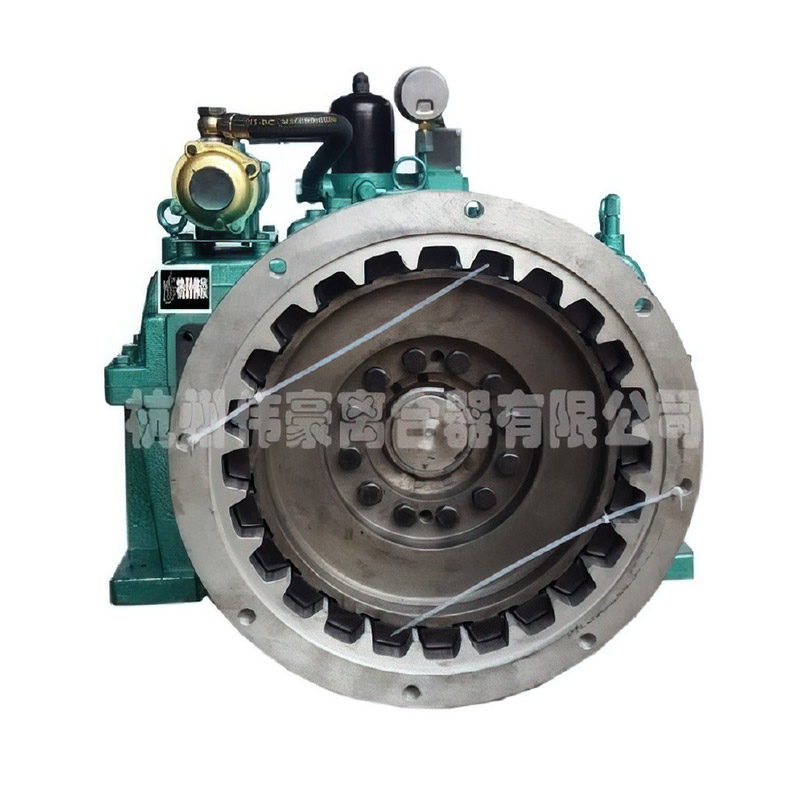
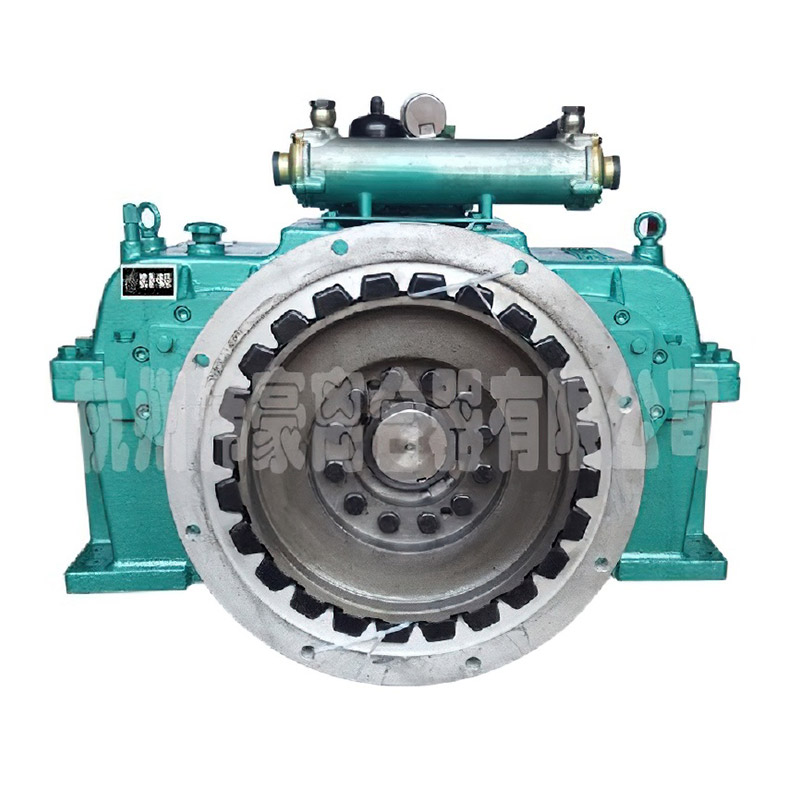
Clutch mechanisms are an essential part of a ship’s gearbox, allowing for the engagement and disengagement of power. The reliability of the clutch system is critical for controlling the flow of power during high-stress operations, such as sudden acceleration or deceleration. A responsive clutch system improves maneuverability by allowing for smooth speed transitions, particularly when shifting between forward and reverse.
Branch Transmission Systems and Their Role
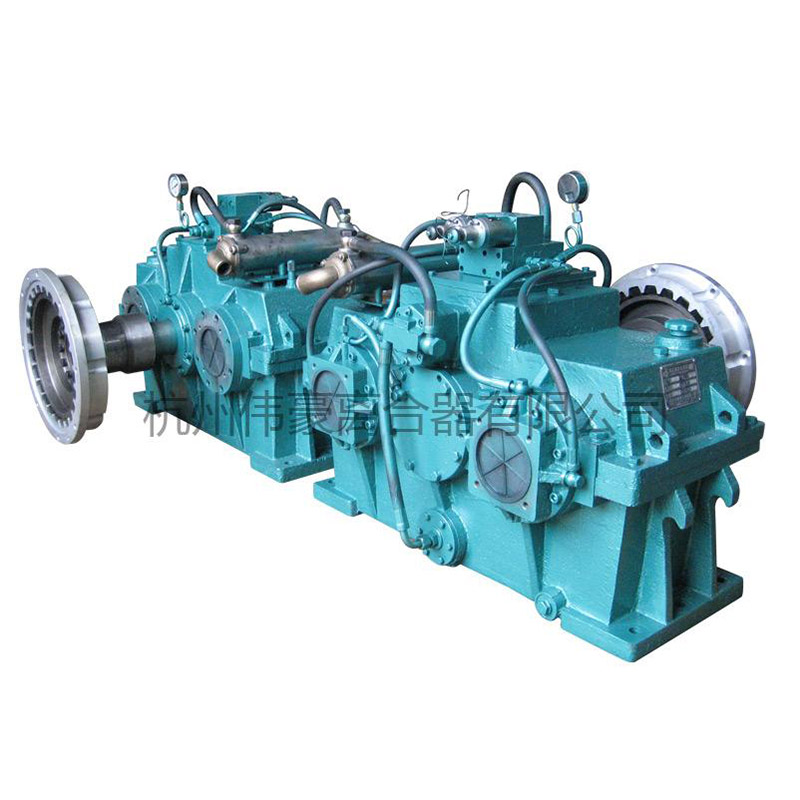
Many engineering ship gearboxes feature multi-branch transmission systems, where power is distributed to multiple outputs. These systems are crucial for vessels that require power for several different operations simultaneously, such as mud pumps, hydraulic systems, and electrical generators. The design of these systems can enhance a ship’s operational flexibility, ensuring smooth operation even under heavy load conditions.
Integration of Additional Components
A modern ship gearbox is often integrated with other systems, such as hydraulic pumps, power take-off units, and electrical drives. The integration of these components is vital for achieving greater efficiency and enabling smooth operation across various operational scenarios, such as pumping or drilling.
Conclusion
The design of an engineering ship gearbox is a key factor in determining a vessel’s speed, efficiency, and maneuverability. From torque transmission to gear ratios and clutch mechanisms, every aspect of the gearbox design plays a role in optimizing ship performance. By understanding the relationship between gearbox design and vessel performance, engineers can develop more capable and efficient ships for a wide range of applications.
FAQ
1. What are the main types of engineering ship gearboxes?
Engineering ship gearboxes typically include clutch transmission boxes, reduction gearboxes, and speed-increasing gearboxes, each designed for different operational requirements.
2. How do gear ratios affect ship speed?
Gear ratios determine how engine power is transmitted to the propeller. Lower gear ratios result in higher speeds, while higher gear ratios provide more torque but reduce speed.
3. Why are gearbox materials so important for performance?
The material used in gearboxes affects their durability, ability to handle torque, and overall efficiency. Steel is commonly used, but advancements in composite materials are being explored to improve performance.
4. Can gearboxes improve a ship’s ability to maneuver in tight spaces?
Yes, adjustable gearboxes with multiple speeds provide greater control over a vessel’s speed, enhancing its ability to maneuver in confined spaces and execute complex maneuvers like docking.


 View More >>
 View More >>
 View More >>
 View More >>
 View More >>
 View More >>
 View More >>
 View More >>
 View More >>
 View More >>
 View More >>
 View More >>