

 EN
 English
 中文简体
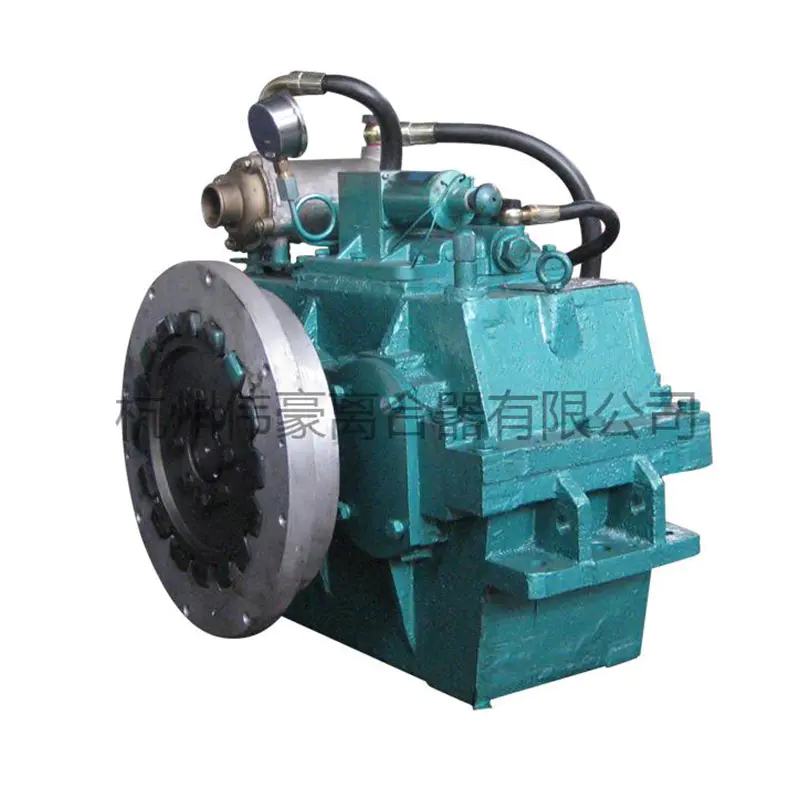
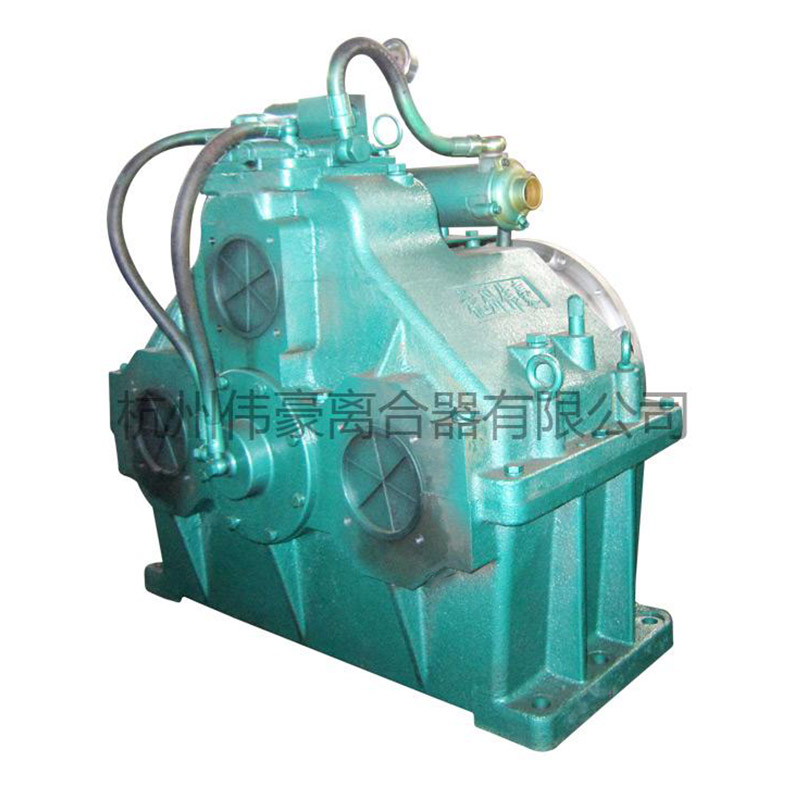
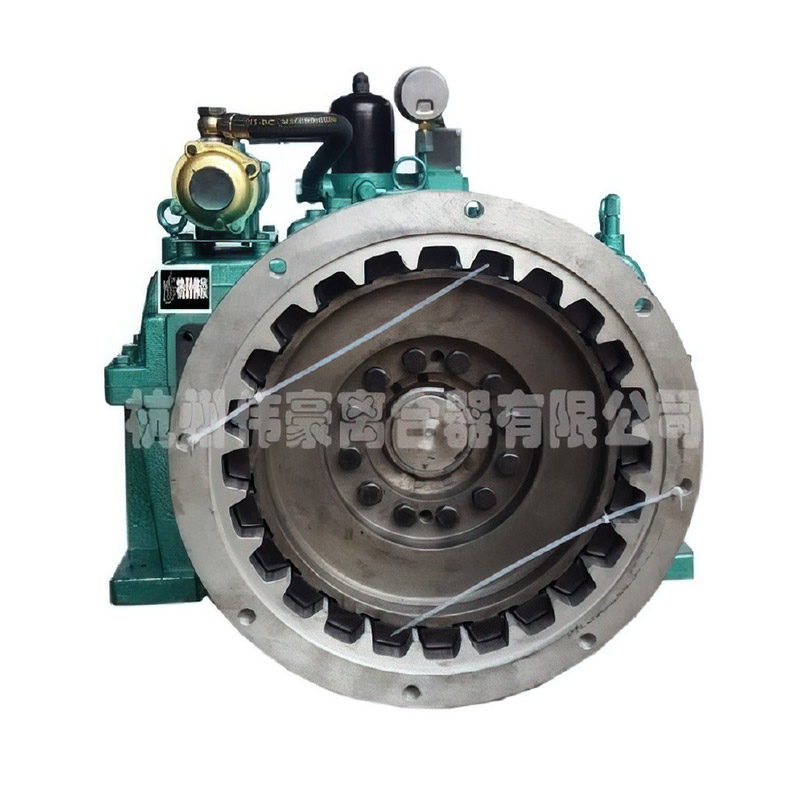
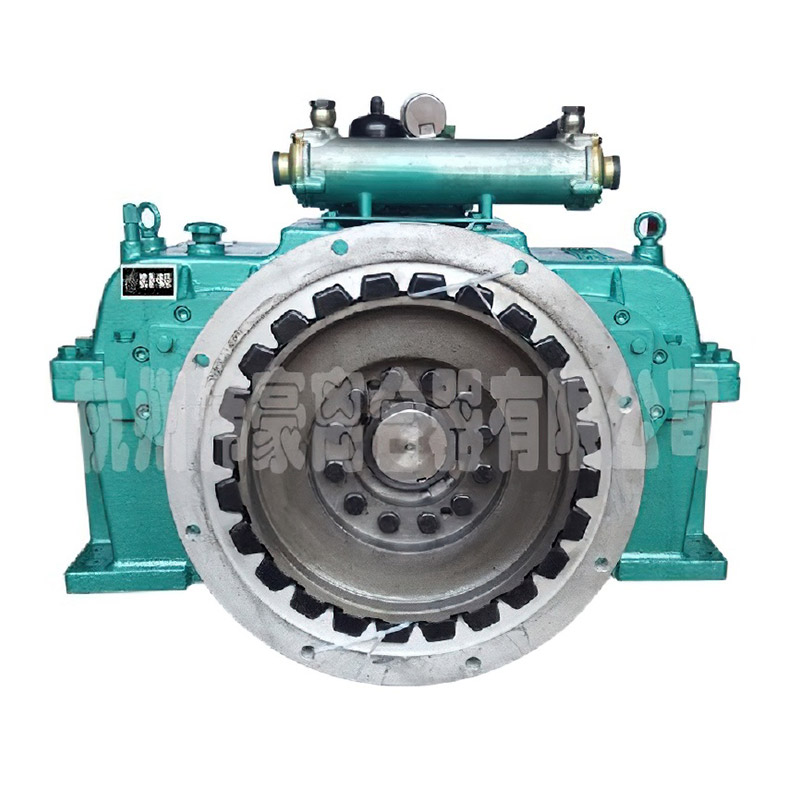
High-speed gearbox technology ushers in a revolutionary breakthrough
Driven by the wave of Industry 4.0 and smart manufacturing, the High Speed Gearbox technology is undergoing unprecedented changes. The latest fifth-generation high-speed gearbox developed in 2025 will increase the transmission accuracy to the micron level through innovative materials application and digital design, and the operating efficiency will exceed 98%. This technological advancement has expanded the application range of High Speed Gearbox in high-end fields such as aerospace, precision machine tools and new energy by 40%. The latest report from the German Machinery Manufacturers Association shows that the average failure interval (MTBF) of the new technology has reached an astonishing 100,000 hours, a three-fold increase from traditional products, setting a new benchmark for the reliability of industrial equipment.
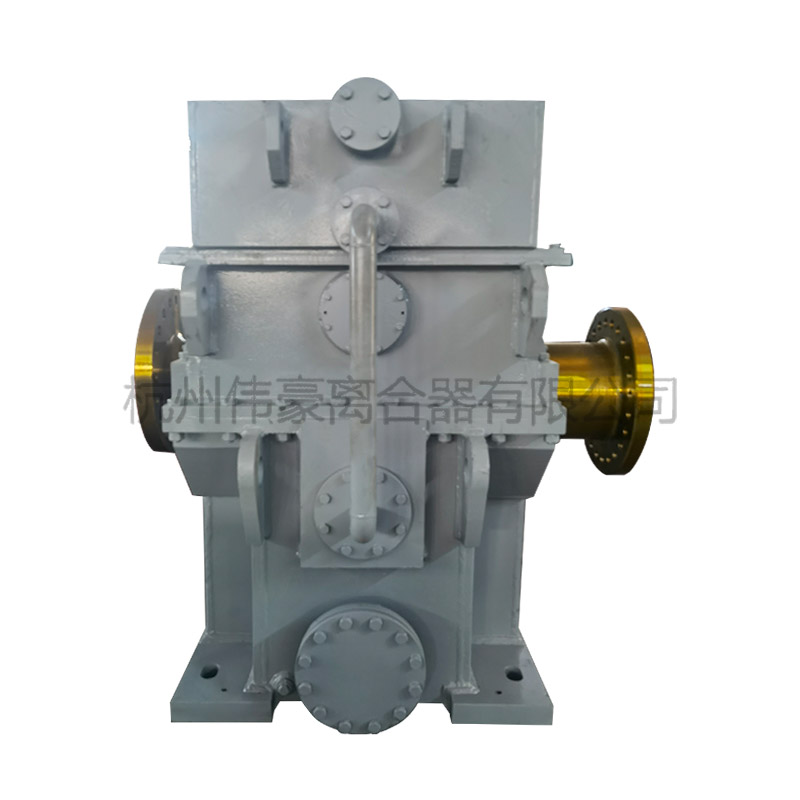
Innovative breakthroughs in ultra-precision gear processing technology
The precision transmission of the modern High Speed Gearbox is powered by revolutionary gear manufacturing processes. The nano-scale tooth grinding technology developed by a Swiss precision machine tool enterprise controls the tooth shape error within 0.5 microns through an adaptive compensation algorithm, and the surface roughness Ra≤0.1μm. The "mirror meshing" process developed by Japanese engineers uses special polishing technology to make the gear contact area reach more than 95%, significantly reducing transmission noise and vibration. What is more eye-catching is the breakthrough in 3D printing gear technology. A topologically optimized gear manufactured by a laboratory in the United States through the selective laser melting (SLM) process has reduced weight by 35% while increasing load capacity by 20%, completely changing the traditional gear design paradigm. These innovations allow the High Speed Gearbox to achieve the most stringent precision transmission requirements at 30,000rpm.
Major progress and application of materials science
High Speed Gearbox Behind the performance leap is the breakthrough progress in materials science. The new nanocrystal gear steel controls the grain size below 100 nanometers, so that the bending fatigue strength reaches 2800MPa, and the contact fatigue life is extended by 5 times. In the aerospace field, the application of titanium-aluminum intermetallic compound gears has reduced the weight by 40% and increased the temperature resistance to 600℃. The most cutting-edge research focuses on self-lubricating composite materials. Graphene reinforced gear material developed by a research institute in the UK has a friction coefficient as low as 0.03, achieving a nearly zero wear transmission effect. These innovative materials combined with special heat treatment processes such as deep cold treatment and plasma nitriding enable modern High Speed Gearbox to maintain excellent performance in extreme operating conditions.
Digital design and simulation technology innovation
Virtual prototype technology is revolutionizing the R&D model of High Speed Gearbox. Multi-physics coupled simulation based on digital twins can accurately predict the heat-force-flow coupling behavior of gearboxes under complex operating conditions. A German transmission system manufacturer uses AI-driven topology optimization algorithm to shorten the gearbox design cycle from 6 months to 3 weeks, while reducing weight by 25%. What is more worthy of attention is the application of real-time simulation systems. The "virtual test drive" platform developed by Chinese engineers can simulate 10,000 hours of accelerated life test before product manufacturing, and discover potential design defects in advance. These digital tools have increased the first success rate of the new generation High Speed Gearbox to 95%, significantly reducing development costs and cycles.
Innovation in efficient lubrication and thermal management systems
Advances in lubrication technology provide key support for the efficient operation of High Speed Gearbox. The application of micro-spray lubrication system enables the amount of lubricating oil to be accurately controlled within the error range of ±2%, saving 30% of fuel compared with traditional lubricating methods. The phase change cooling technology developed by a fan manufacturer absorbs instantaneous thermal load through microcapsule phase change materials, reducing the temperature rise of the gearbox by 15℃ during sudden overload. The most advanced magnetic fluid sealing technology completely solves the oil leakage problem under high-speed operating conditions, with a sealing life of more than 50,000 hours. These innovations allow the modern High Speed Gearbox to maintain high efficiency while extending maintenance intervals to 3 years, significantly reducing full life cycle costs.
Intelligent monitoring and predictive maintenance technology
IoT technology gives High Speed Gearbox an unprecedented level of intelligence. The built-in multi-parameter sensor can monitor vibration, temperature, oil quality and load status in real time, and perform early fault diagnosis through edge calculation. Operation data from a US aviation company shows that the intelligent monitoring system predicts gear pitting failure 300 hours in advance to avoid a $2 million downtime loss. More cutting-edge research is the concept of self-healing gearbox, which uses shape memory alloys and microcapsule repair agents to automatically repair microcracks in the early stages of damage. These smart technologies make the High Speed Gearbox reliable to 99.99%, providing solid guarantees for critical industrial processes.
Industry application and market prospects
The innovation of High Speed Gearbox technology is driving transformation and upgrading in multiple industries. In the wind power field, after the use of new gearboxes for units above 10MW, the annual power generation increased by 8%; in semiconductor manufacturing, the precision indexing gearbox made the wafer processing accuracy reach 0.1 micron; electric vehicle reducers benefited from compact design and reduced their volume by 40%. Market analysis points out that the global High Speed Gearbox market size will exceed US$12 billion in 2025, of which 45% of the Asia-Pacific region will account for. With the growth of high-end demand for industrial robots, aerospace and other high-end demand, it is expected that the compound growth rate in 2027 will remain at a high of 8.5%.
Future technological development direction
The next breakthrough point in High Speed Gearbox technology will be quantum-level precision manufacturing and smart materials applications. The surface of atomic smooth gears in the laboratory stage has shown nearly zero friction characteristics; graphene-enhanced composites are expected to increase gear strength to 5 times that of traditional steel; while intelligent control systems based on neural networks can achieve real-time self-optimization of transmission parameters. These cutting-edge technologies will drive the High Speed Gearbox toward a more sophisticated, more efficient and smarter direction, redefining the possibilities of industrial transmission.
 View More >>
 View More >>
 View More >>
 View More >>
 View More >>
 View More >>
 View More >>
 View More >>
 View More >>
 View More >>
 View More >>